104 lines
3.8 KiB
JavaScript
104 lines
3.8 KiB
JavaScript
/**
|
|
* Add Kakao login to your page.
|
|
*
|
|
* ### Setup
|
|
*
|
|
* #### Callback URL
|
|
* ```
|
|
* https://example.com/api/auth/callback/kakao
|
|
* ```
|
|
*
|
|
* #### Configuration
|
|
*```ts
|
|
* import { Auth } from "@auth/core"
|
|
* import Kakao from "@auth/core/providers/kakao"
|
|
*
|
|
* const request = new Request(origin)
|
|
* const response = await Auth(request, {
|
|
* providers: [
|
|
* Kakao({ clientId: KAKAO_CLIENT_ID, clientSecret: KAKAO_CLIENT_SECRET }),
|
|
* ],
|
|
* })
|
|
* ```
|
|
*
|
|
* ### Resources
|
|
*
|
|
* - [Kakao OAuth documentation](https://developers.kakao.com/product/kakaoLogin)
|
|
* - [Kakao OAuth configuration](https://developers.kakao.com/docs/latest/en/kakaologin/common)
|
|
*
|
|
* ## Configuration
|
|
* Create a provider and a Kakao application at https://developers.kakao.com/console/app. In the settings of the app under Kakao Login, activate web app, change consent items and configure callback URL.
|
|
*
|
|
* ### Notes
|
|
*
|
|
* By default, Auth.js assumes that the Kakao provider is
|
|
* based on the [OAuth 2](https://www.rfc-editor.org/rfc/rfc6749.html) specification.
|
|
*
|
|
*
|
|
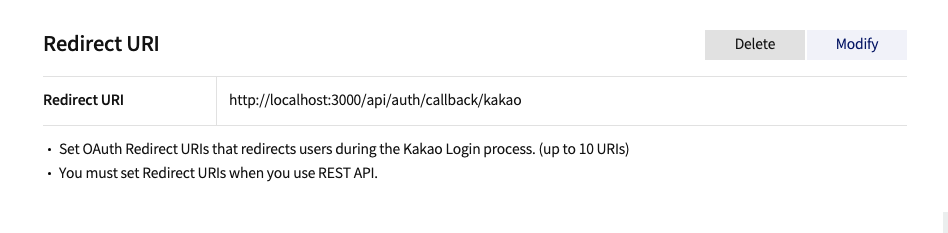
* The "Authorized redirect URIs" used when creating the credentials must include your full domain and end in the callback path. For example;
|
|
*
|
|
* 
|
|
*
|
|
* - For production: `https://{YOUR_DOMAIN}/api/auth/callback/kakao`
|
|
* - For development: `http://localhost:3000/api/auth/callback/kakao`
|
|
*
|
|
* :::tip
|
|
*
|
|
* The Kakao provider comes with a [default configuration](https://github.com/nextauthjs/next-auth/blob/main/packages/core/src/providers/kakao.ts).
|
|
* To override the defaults for your use case, check out [customizing a built-in OAuth provider](https://authjs.dev/guides/configuring-oauth-providers).
|
|
*
|
|
* :::
|
|
*
|
|
* :::tip
|
|
*
|
|
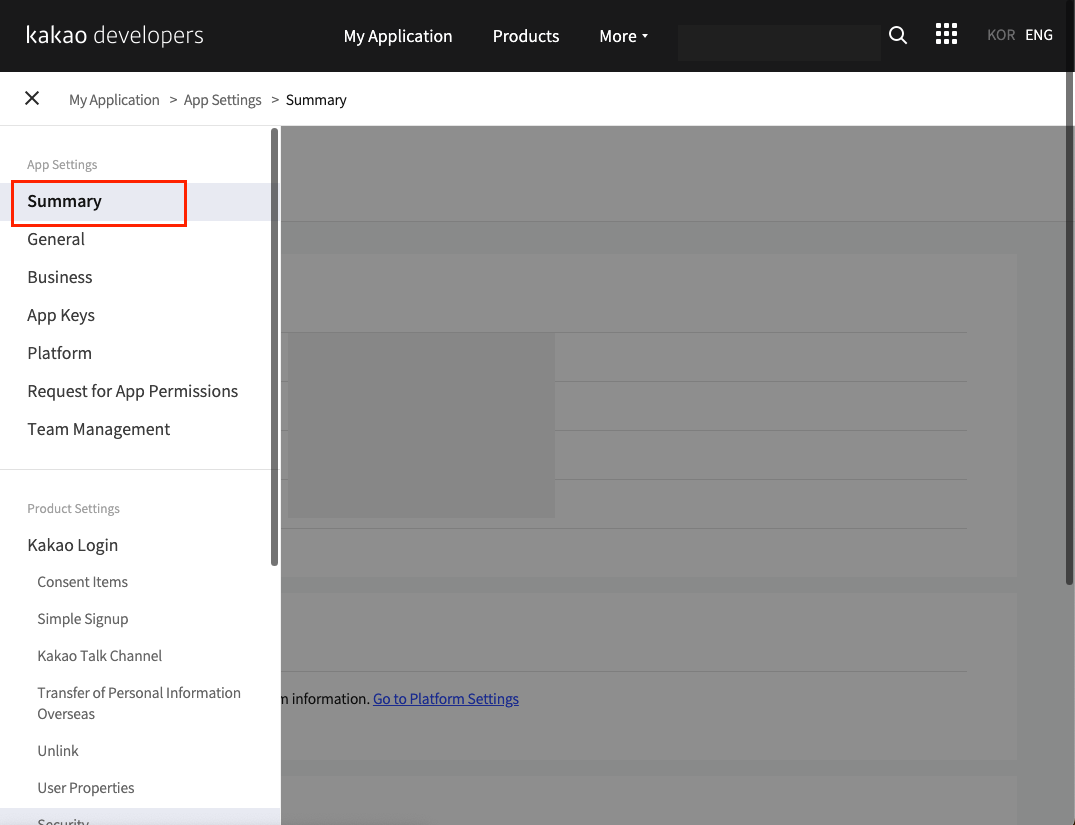
* Kakao's client key is in **Summary(It is written as 요약정보 in Korean.) tab's App Keys Field**
|
|
* (My Application > App Settings > Summary)
|
|
*
|
|
* 
|
|
*
|
|
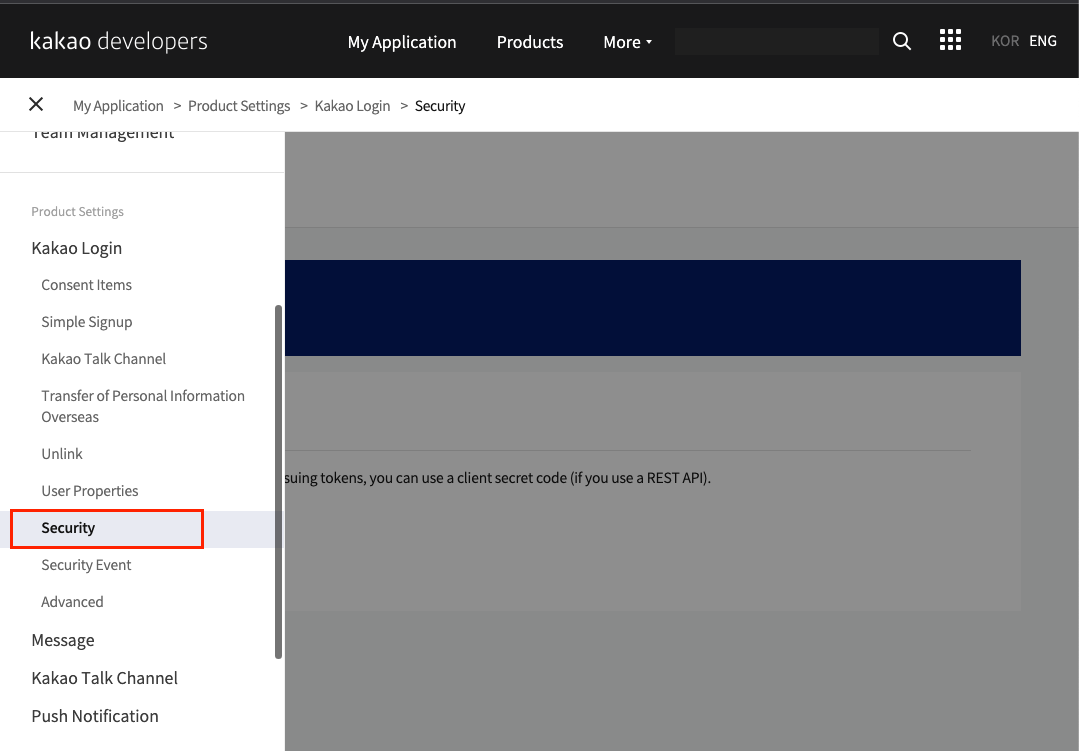
* Kakao's clientSecret key is in **Security(It is written as 보안 in Korean.) tab's App Keys Field**
|
|
* (My Application > Product Settings > Kakao Login > Security)
|
|
*
|
|
* 
|
|
*
|
|
* :::
|
|
*
|
|
* :::tip
|
|
*
|
|
* Kakao dev console has a button at the top right to change from KR to ENG
|
|
*
|
|
* :::
|
|
*
|
|
* :::info **Disclaimer**
|
|
*
|
|
* If you think you found a bug in the default configuration, you can [open an issue](https://authjs.dev/new/provider-issue).
|
|
*
|
|
* Auth.js strictly adheres to the specification and it cannot take responsibility for any deviation from
|
|
* the spec by the provider. You can open an issue, but if the problem is non-compliance with the spec,
|
|
* we might not pursue a resolution. You can ask for more help in [Discussions](https://authjs.dev/new/github-discussions).
|
|
*
|
|
* :::
|
|
*/
|
|
export default function Kakao(options) {
|
|
return {
|
|
id: "kakao",
|
|
name: "Kakao",
|
|
type: "oauth",
|
|
authorization: "https://kauth.kakao.com/oauth/authorize?scope",
|
|
token: "https://kauth.kakao.com/oauth/token",
|
|
userinfo: "https://kapi.kakao.com/v2/user/me",
|
|
client: {
|
|
token_endpoint_auth_method: "client_secret_post",
|
|
},
|
|
profile(profile) {
|
|
return {
|
|
id: profile.id.toString(),
|
|
name: profile.kakao_account?.profile?.nickname,
|
|
email: profile.kakao_account?.email,
|
|
image: profile.kakao_account?.profile?.profile_image_url,
|
|
};
|
|
},
|
|
options,
|
|
};
|
|
}
|